Fund the operating platform
- What it does
- Runs the facility, lab, team and program through a nonprofit operating entity.
- What you get
- Published venture and regional outcomes each cohort, and companies that hire and buy locally.
$4.3M over 5 years
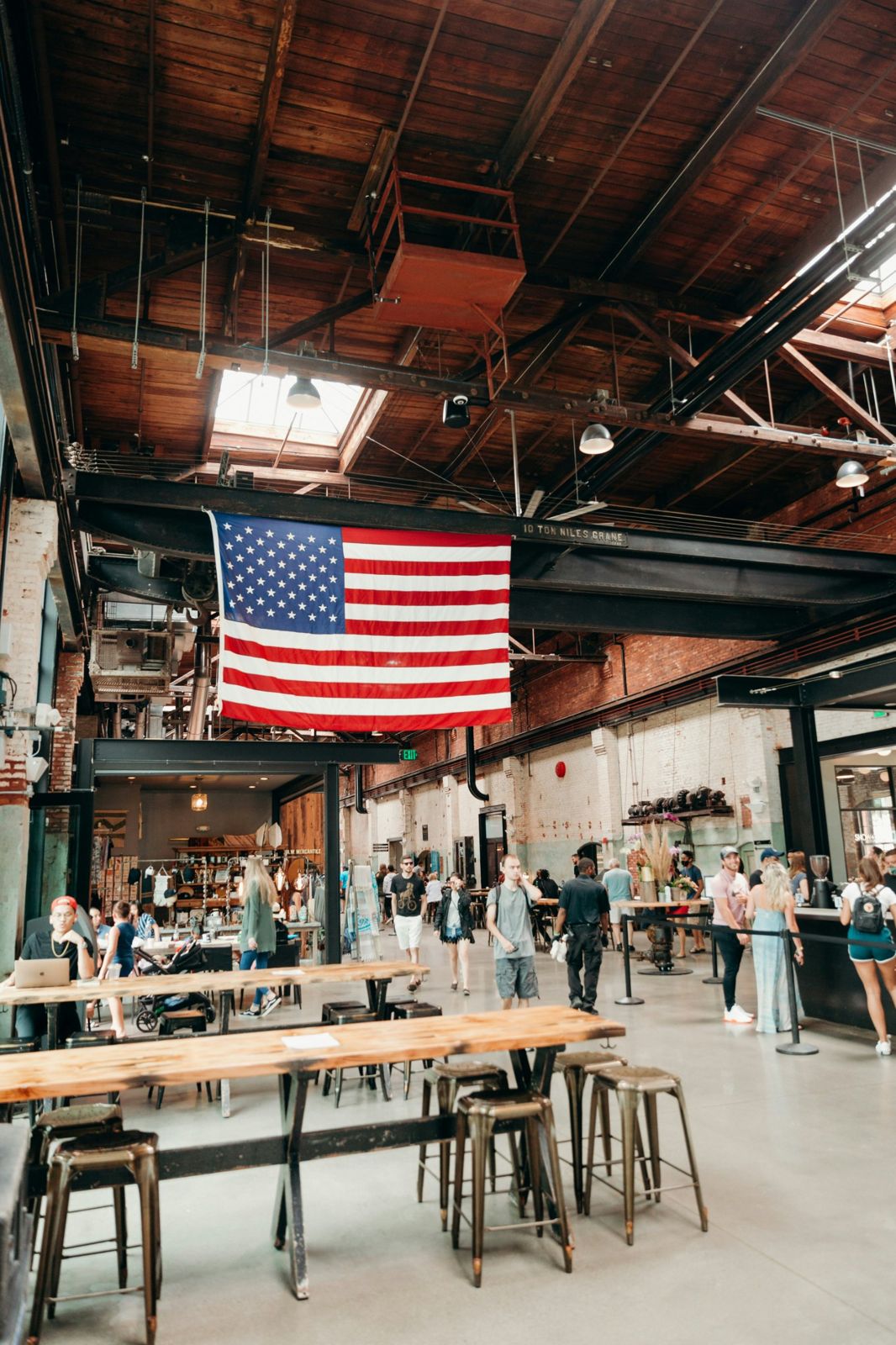
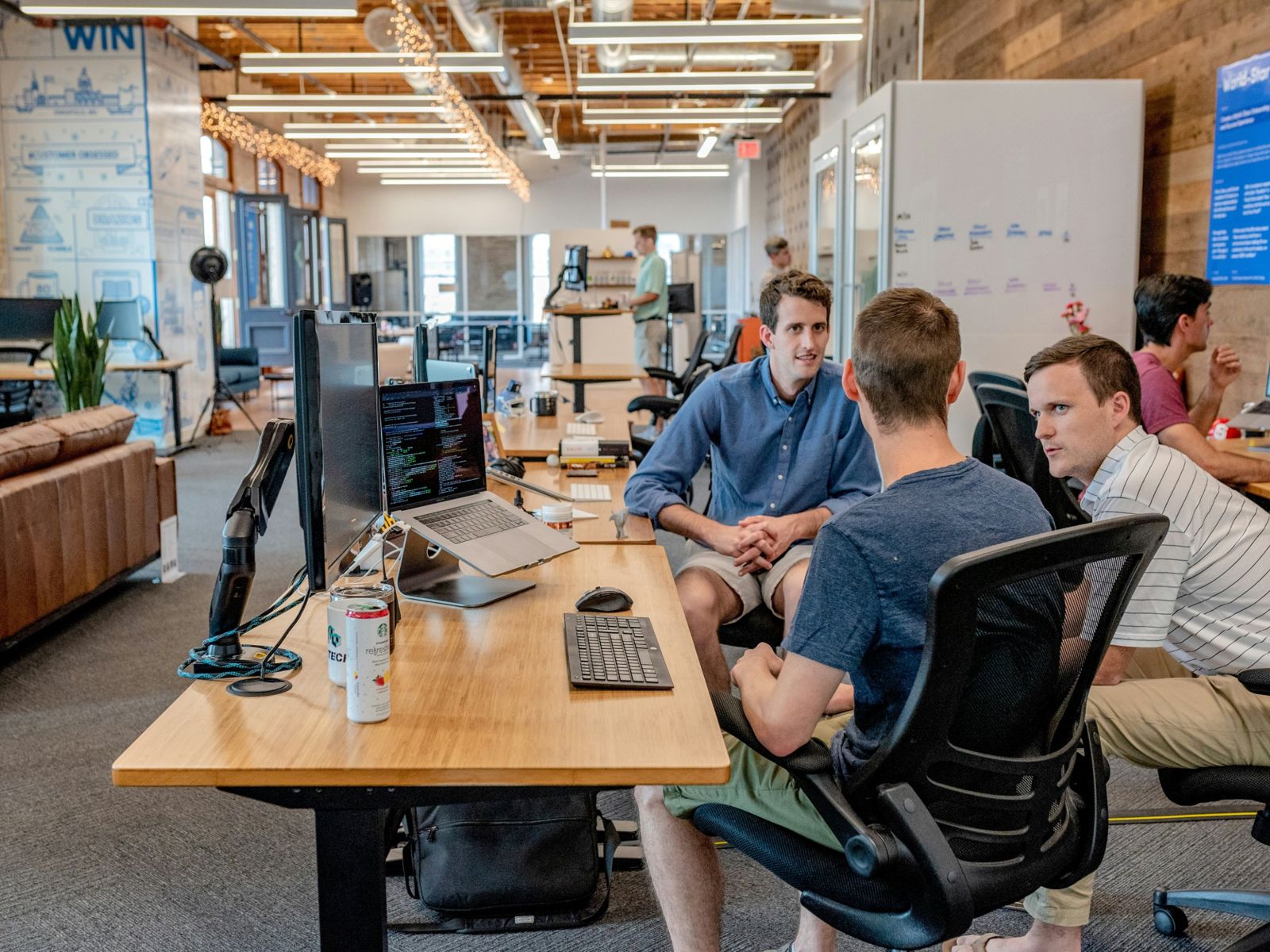
Each year, 10 hardware and embedded-systems companies spend 12 weeks at our Grand Rapids hub. Some we build from corporate partners’ problems; others are startups that come to build where the supply chain is. Working with regional manufacturers' equipment and engineers, they build a minimal viable solution, open a corporate pilot and raise a pre-seed round from investors across the country. Then they headquarter in West Michigan.
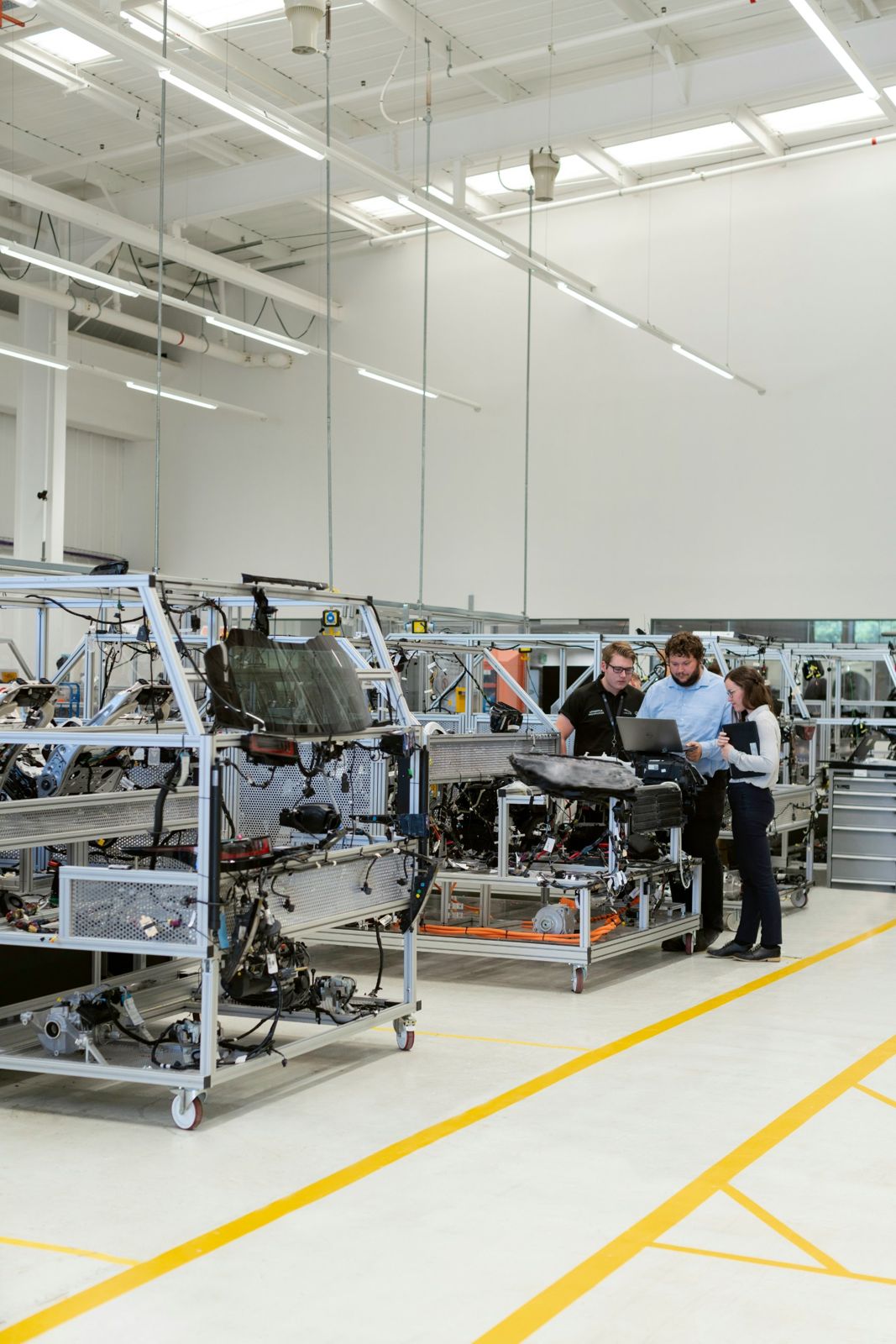
Intelligence is becoming infrastructure. In a March 2026 Forbes piece, Amir Husain argues that AI applications will commoditize, and that durable value will sit in compute infrastructure, energy, proprietary data and physical deployment.3
His conclusion: the leading firms of the next decade will be integrated industrial platforms that own the stack from software to physical hardware. Computation is moving out of data centers into devices, vehicles and sensors, and robotics is moving into commercial settings, starting where environments are controlled.
“Whoever controls the substrate controls the intelligence that runs on it.”
Boards, edge devices and controllers that run intelligence close to the work.
Generation, storage and power electronics that keep the compute running.
Sensors on real machines produce data that no model can scrape from the web.
Robotics, autonomy and controls installed in plants, fields and fleets.
Each of these needs firmware, electronics and a factory. That is the founder we back: algorithms to actuators.
Software-enabled hardware companies need buyers, suppliers and engineers within a short drive. West Michigan has all three. What it lacks is a program built to turn that into companies worth $100M or more.
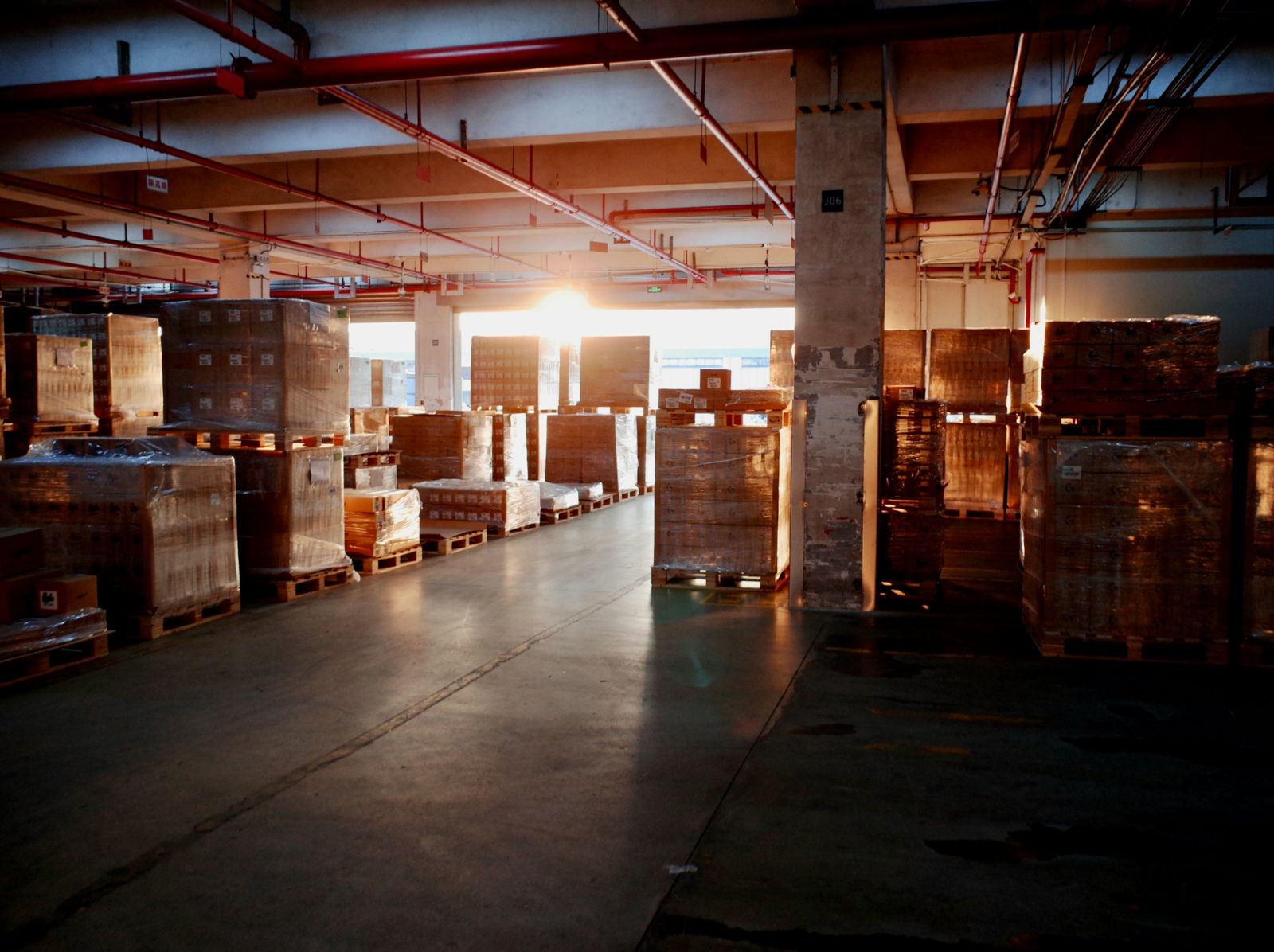
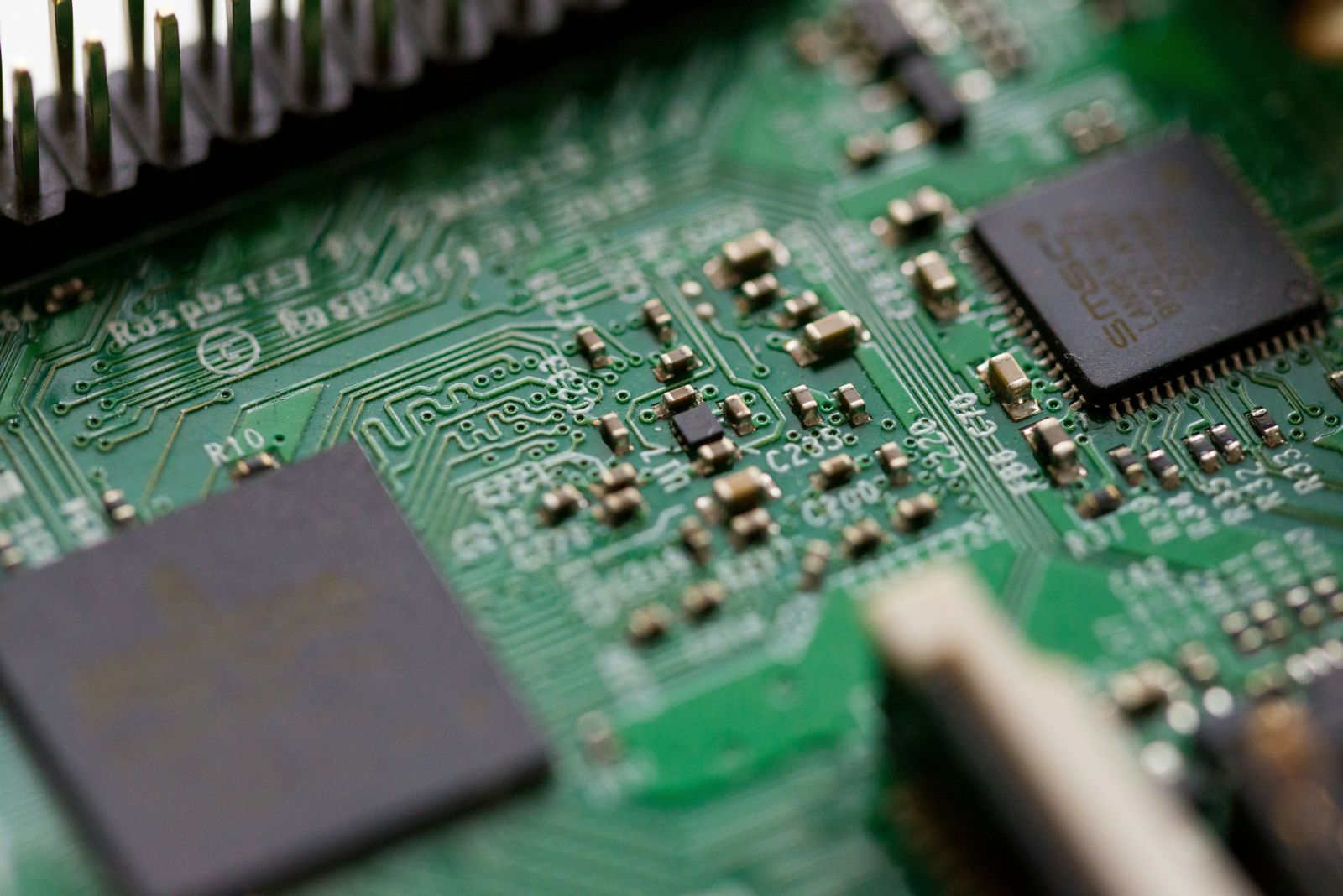
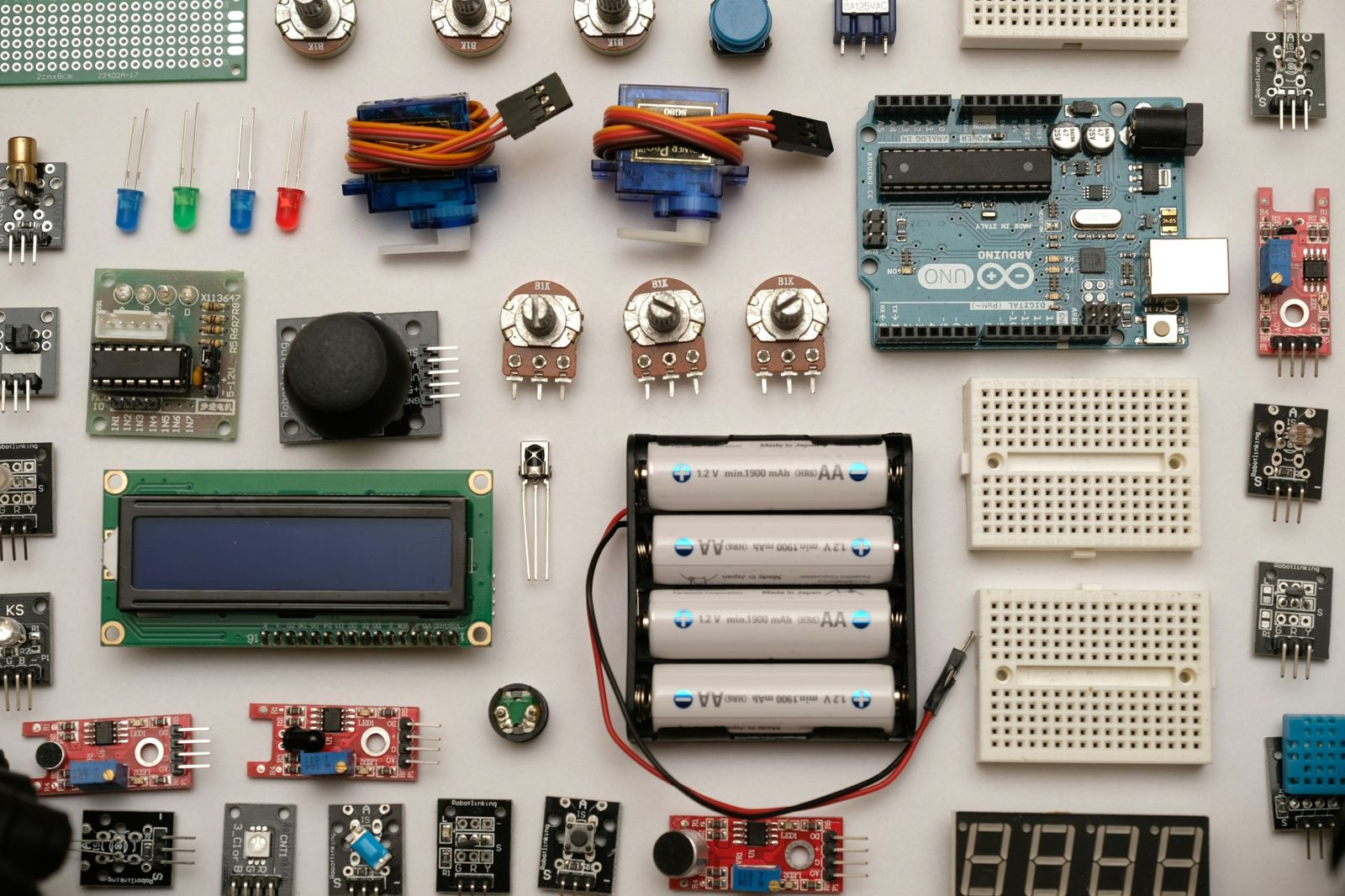
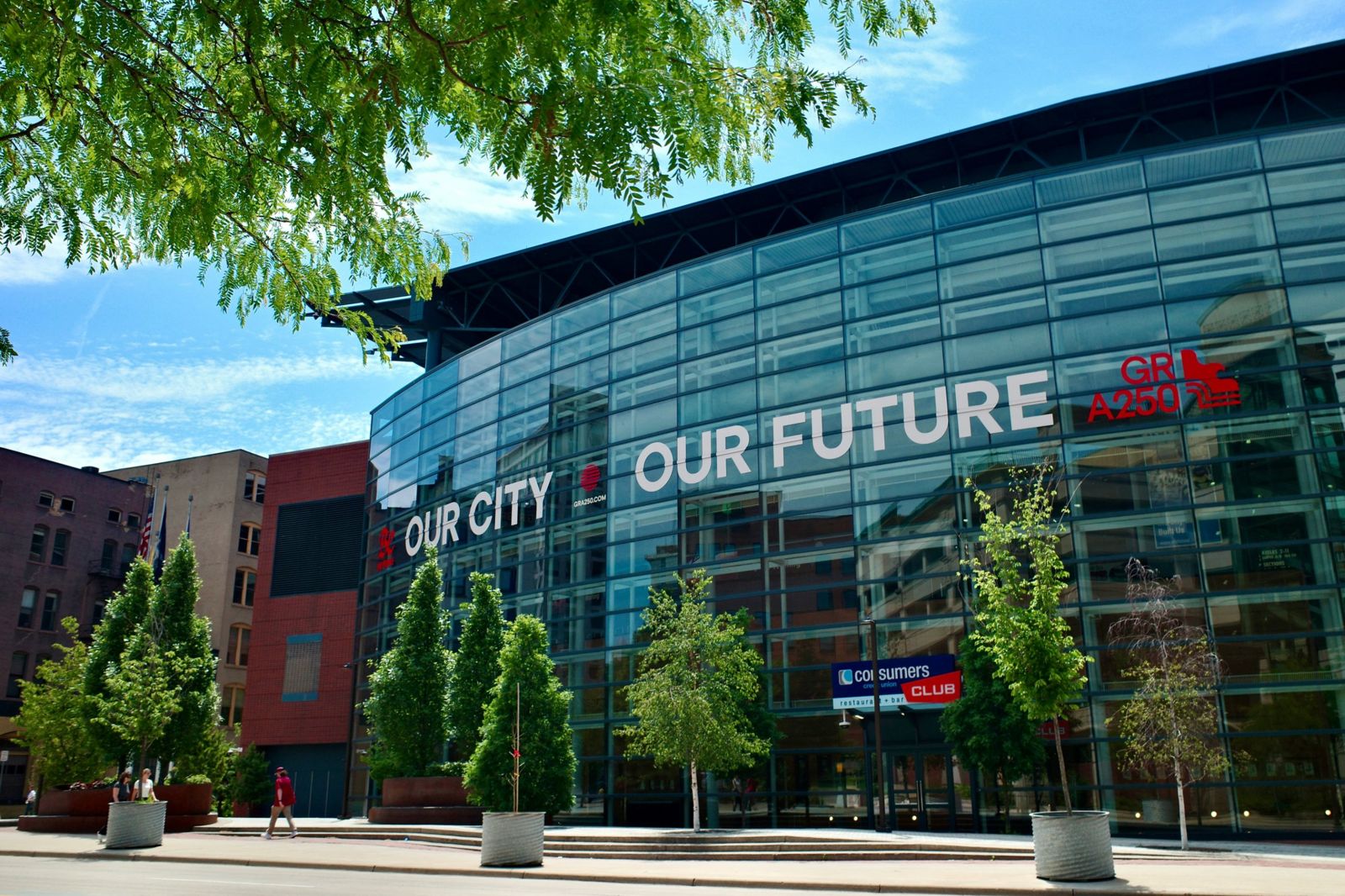
Grand Rapids–Kentwood has had the most manufacturing jobs per capita of any large U.S. metro, at twice the national concentration.1 A prototype can move from CAD to a partner’s machine within a short drive.
Michigan has the most engineers per capita of any state.4 Automotive, aerospace and medical-device work has built a deep bench in firmware, controls and validation.
Automotive, aerospace, medical devices, office furniture, plastics and production technology are national-leader sectors here, home to companies like Gentex, Steelcase and Haworth.1 Pilots start with a plant manager down the road.
Local manufacturers contribute equipment time and engineers, about $100K of services per company, so founders spend their cash on the product instead of a machine shop.
A named buyer at a corporate partner confirms the problem and the budget.
A minimal viable solution, built with a manufacturing partner, tested in conditions close to the customer's.
Demo Day in Grand Rapids, then investor dinners in Chicago, New York and the Bay Area.
Started from a corporate partner’s problem and led by an entrepreneur-in-residence CEO. $250K from Headrace plus about $100K of partner services.
Founder-led hard-tech teams from anywhere that move here for the supply chain. $100K plus about $100K of partner services, then up to 12 months at the hub.
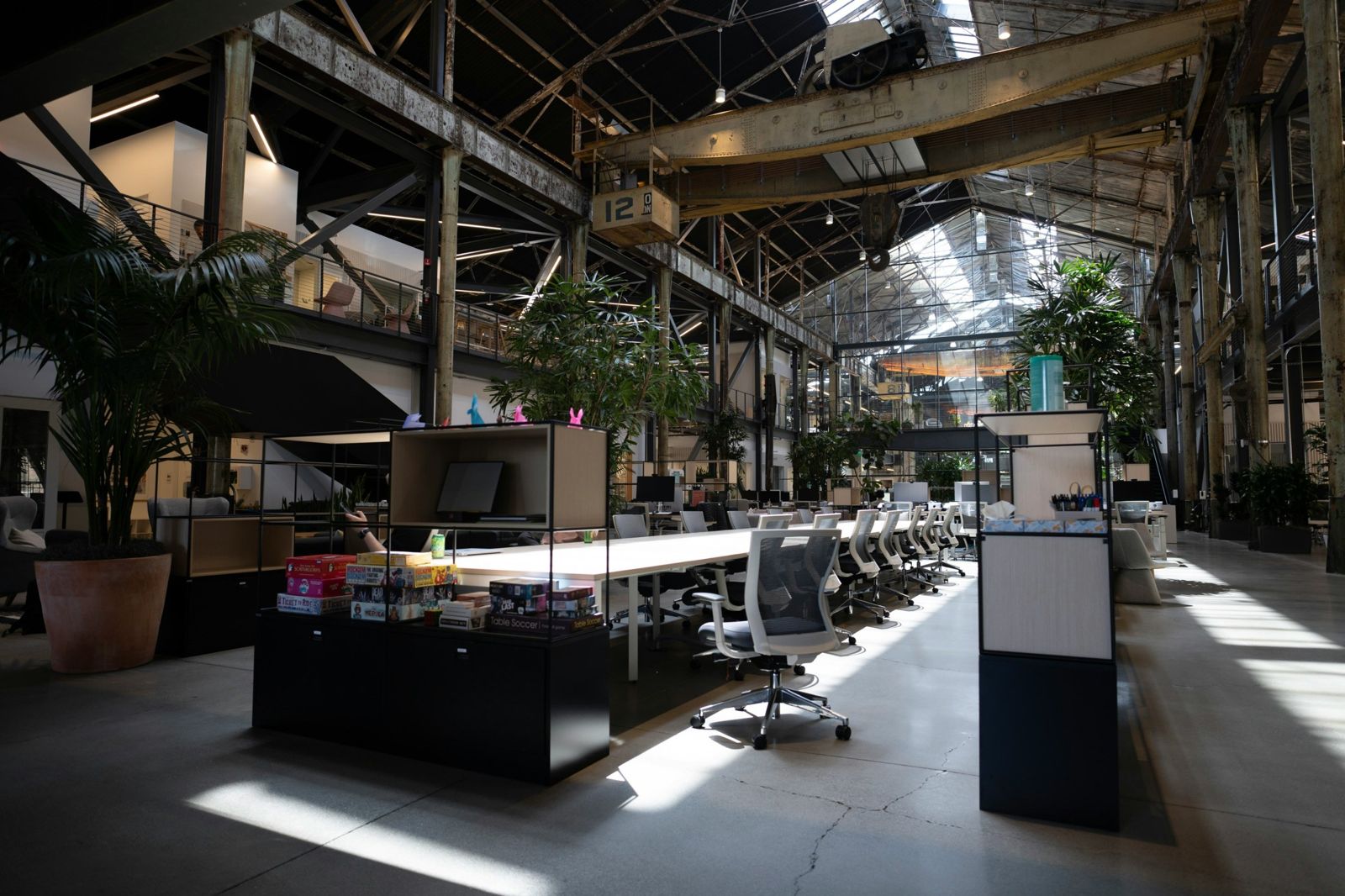
Illustrative layout, 10,000 sq ft total. Zone areas come from the space plan; the building is still to be selected.
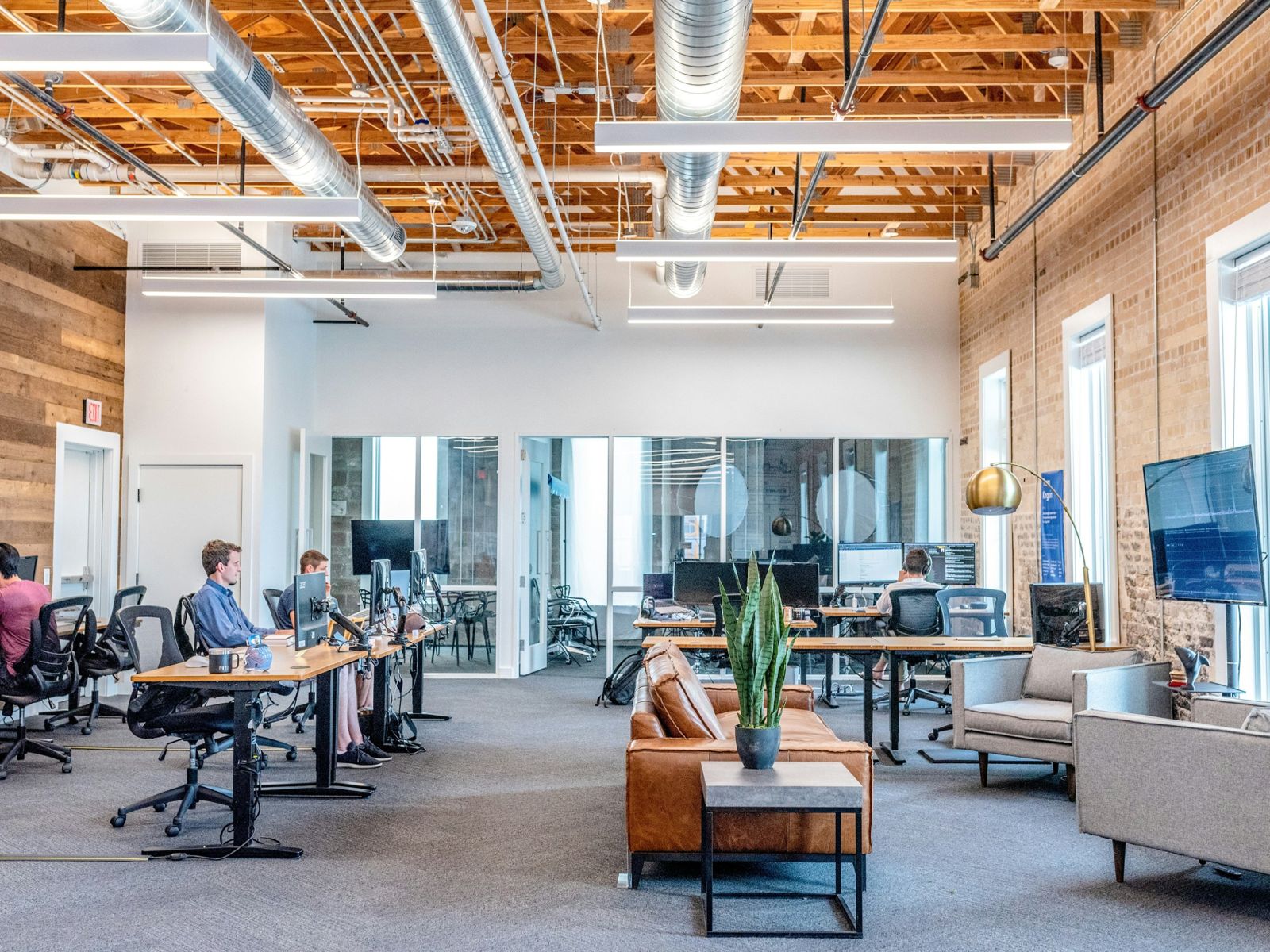
Machining, molding, sheet metal, PCB assembly and testing happen at partner plants, on their equipment and with their engineers. Each company gets about $100K of that time and expertise.
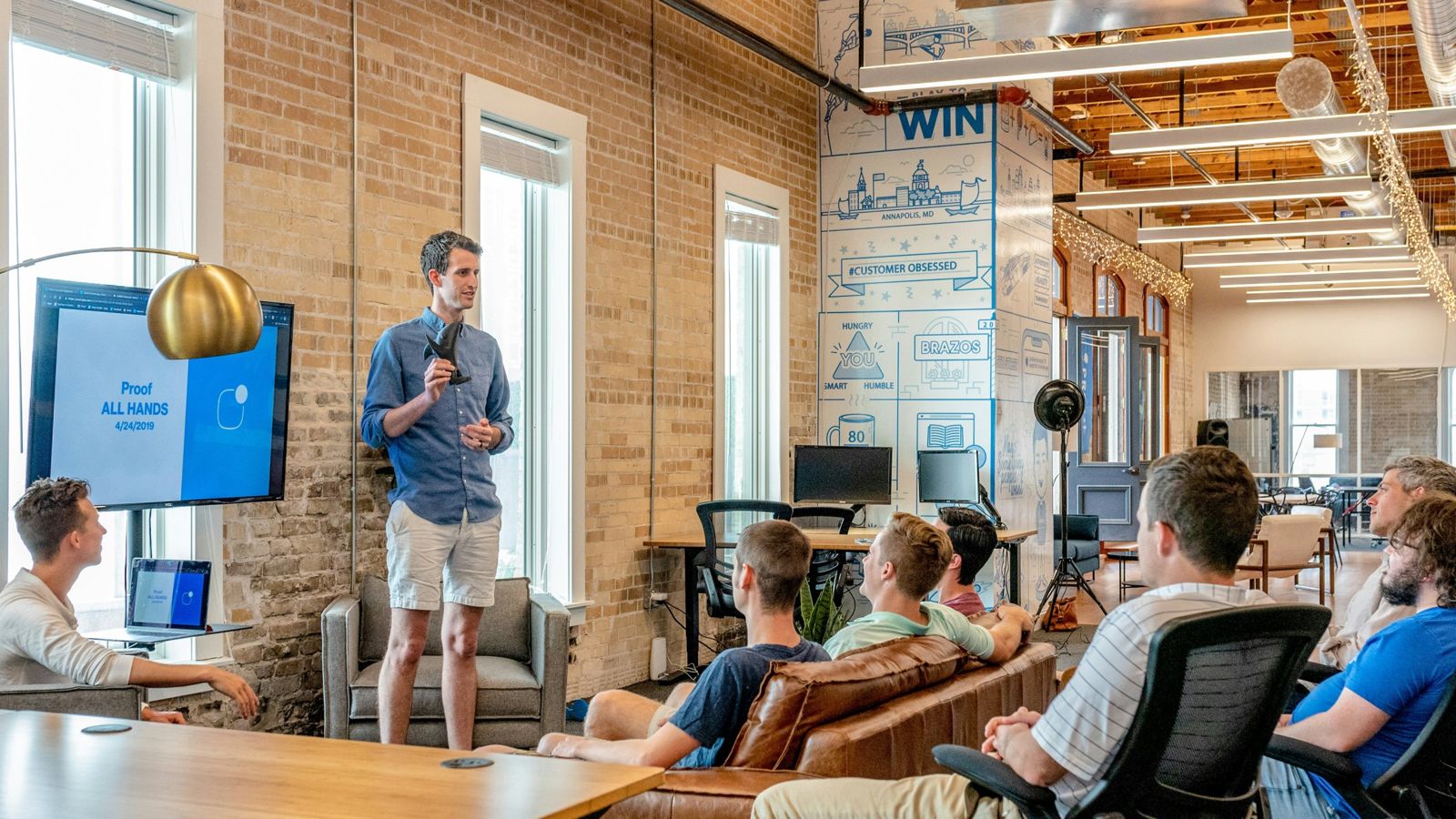
of graduates close a pre-seed round of $750K or more within 6 months of Demo Day
of pre-seed dollars come from investors outside Michigan
of companies still headquartered in West Michigan 3 years after Demo Day
raised from outside investors for every $1 Headrace invests
The typical 2026 pre-seed round runs $500K–$2.5M, with a median around $1.2M.2 The 12 weeks are built to hit the milestones hardware investors back: a tested minimal viable solution, a pilot path and real unit economics.
Operating funding flows through a nonprofit that runs the hub and program. Cohort investments flow through a for-profit holding company that keeps the equity, and the venture arm writes follow-ons for companies that land a pilot and raise pre-seed. Manufacturing partners add about $4.5M of equipment time and engineering in kind.
Legal structure, operating funding, first Council members.
National recruiting; target 75+ qualified applicants.
5 companies, Demo Day in December.
Committed only when funding, partners, Council and Cohort 1 results are in.
5 companies per cohort, 10 a year.
We're assembling founding funders, Council members and partners ahead of Cohort 1. Share a few details and the Headrace team will follow up with the full business plan.